Missed calls rarely look dramatic on the surface. A customer rings, nobody answers, they try the next supplier. An employee works between home, office and site visits, but the desk phone is tied to one location. A growing business adds staff, yet every small telephony change seems to need more hardware, more cost and more disruption. That is why a 3CX phone system for business has become such a practical option for companies that want better communications without making things more complicated than they need to be.
For many small and mid-sized firms, the real attraction of 3CX is not that it is packed with features. It is that those features solve everyday operational problems. Calls can be answered from a desk phone, laptop or mobile. Teams can see who is available. Call routing can be adjusted around opening hours, departments or busy periods. For businesses trying to stay responsive while keeping overheads under control, that matters.
What is a 3CX phone system for business?
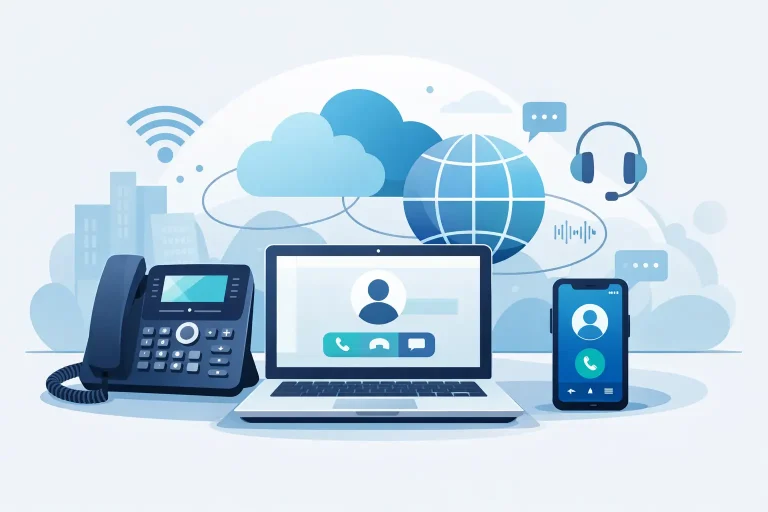
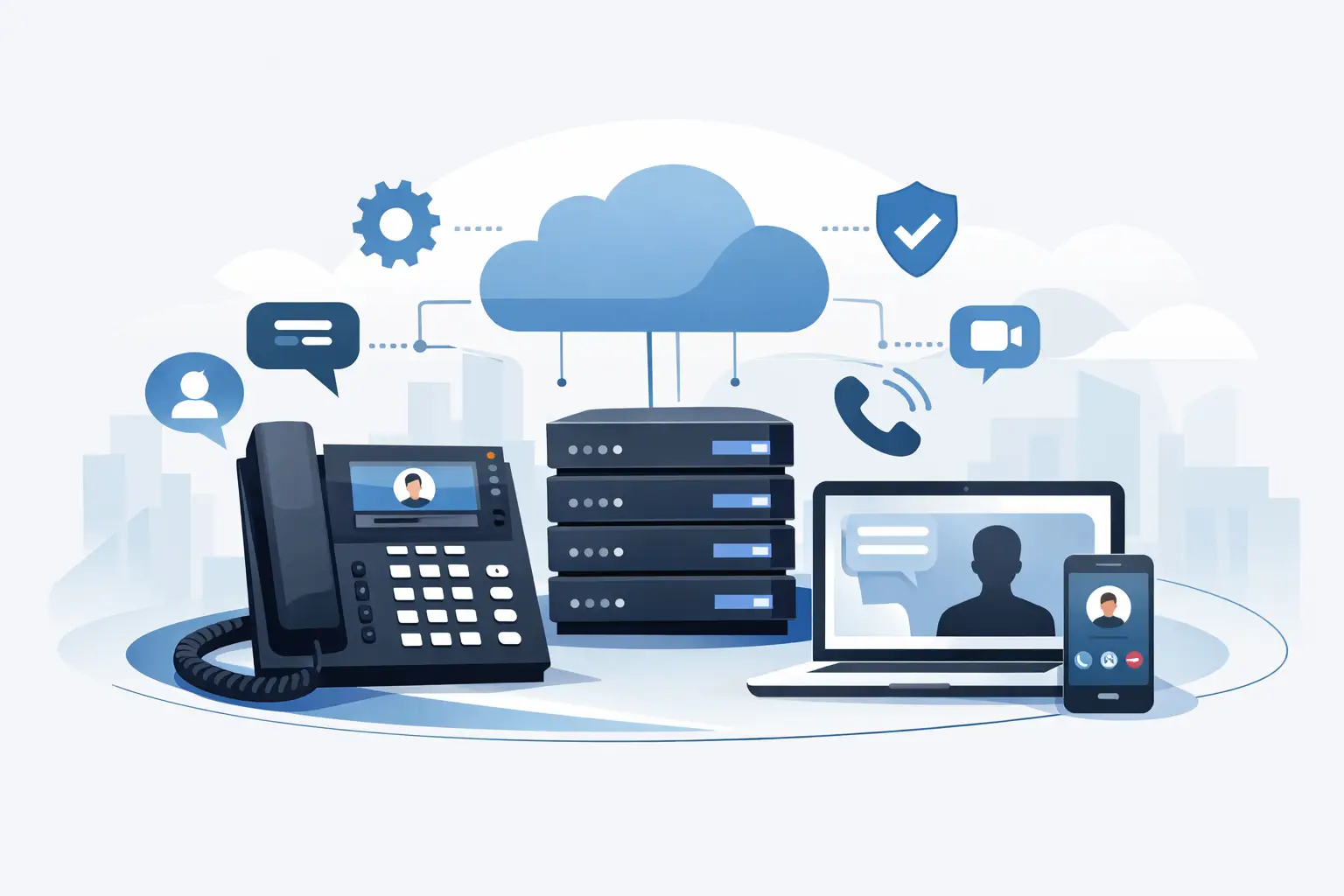
3CX is a software-based business phone system that supports voice calls, video meetings, live chat and messaging through one platform. In practical terms, that means it can replace a traditional on-site phone system with a more flexible setup that works across devices and locations.
Instead of relying entirely on fixed desk phones and proprietary hardware, 3CX gives businesses the option to run telephony through IP handsets, desktop apps, web browsers and mobile apps. That flexibility is useful for firms with hybrid staff, multiple sites or teams who need to stay reachable when they are out of the office.
It can be hosted in the cloud, installed on-premises or set up in a private hosted environment, depending on what suits the business. That is one of the reasons it appeals to a broad range of organisations. There is no single model that fits everyone, and with telephony, that is usually a good sign rather than a drawback.
Why businesses are moving away from older phone systems
Many older phone systems still work, but that is not the same as working well. Businesses often put up with limitations for years because changing telephony feels disruptive. The result is a setup that technically functions, yet slows people down every day.
A traditional PBX can be expensive to expand, awkward to maintain and restrictive when staff work remotely. If a business has moved to cloud software, flexible working and mobile-first customer service, an older phone system can quickly start to feel out of step with the rest of the operation.
3CX addresses that gap by making business telephony easier to adapt. New users can be added without the same hardware dependency. Calls can follow staff wherever they are working. Administrative changes can be made more quickly. For office managers and directors, the benefit is often less about telephony itself and more about removing friction from daily business.
The practical benefits of a 3CX phone system for business
The strongest case for 3CX is usually operational rather than technical. If your team needs to answer calls efficiently, transfer them properly and avoid customers being passed around, the system gives you more control over how that happens.
Call queues, ring groups and digital reception features help direct calls to the right person or department. Voicemail to email means messages are less likely to be missed. Presence status helps colleagues see whether someone is free, on a call or away. These are straightforward tools, but in a busy business they make a noticeable difference.
There is also a cost angle. Because 3CX is software-led, businesses can often reduce spend on traditional line rental and legacy maintenance. That does not mean it is always the cheapest option in every scenario, because the right setup still depends on user numbers, call volumes, hosting preferences and internet reliability. But for many SMEs, it offers a more sensible cost structure than maintaining ageing telephony equipment.
Another advantage is business continuity. If staff cannot get into the office because of weather, a local outage or an unexpected issue with the premises, calls do not have to stop. They can often be redirected or answered through mobile and desktop apps instead. For businesses that rely on customer contact, that resilience is valuable.
Where 3CX works particularly well
3CX tends to suit businesses that need flexibility without losing professionalism. That includes office-based teams who want a smarter replacement for an old PBX, multi-site businesses that need a consistent phone system across locations, and companies with a mix of desk-based and mobile staff.
It also works well where customer service matters. If incoming calls need to be handled properly, with clear routing and visibility across the team, the platform gives more structure than a basic phone line arrangement. Reception, sales, service desks and support teams can all benefit from that.
That said, suitability still depends on the environment. A very small business with minimal call traffic may not need all of its capabilities. At the other end of the scale, more complex organisations may need careful planning around call flows, integrations and resilience. The system is flexible, but the design still matters.
Choosing the right setup
This is where businesses can get caught out. The software itself is only part of the picture. The real outcome depends on how it is specified, deployed and supported.
One of the first decisions is hosting. A cloud-hosted system can reduce on-site infrastructure and make remote management easier. An on-premises installation may suit organisations that want tighter local control or already have the right environment in place. Neither option is automatically better. It depends on your IT setup, connectivity, risk considerations and internal preference.
You also need to look at the wider telephony environment. Internet performance matters. Network quality matters. Handset choice matters if people still want or need physical phones on desks. The way calls are routed matters just as much as the technology behind them. A well-designed system feels simple to use. A poorly designed one creates confusion, even if it has plenty of features.
For that reason, businesses usually get the best results when the phone system is treated as part of the wider technology setup rather than a standalone purchase. If telephony, broadband, internal network and support are all considered together, the end result is more reliable and easier to manage.
Common questions businesses should ask before switching
Before moving to 3CX, it is worth being clear on a few practical points. How many users need full telephony access, and how many simply need occasional call handling? Do staff work from one site, several sites or mixed locations? Do you need CRM integration, call reporting or call recording? How important is mobile app usage compared with desk phones?
It is also sensible to ask how support will work after installation. A phone system is not just a one-off project. Staff change, opening hours change, departments expand and call routing often needs adjusting over time. The businesses that stay happiest with their telephony tend to be the ones with responsive support behind it.
Training should not be overlooked either. 3CX is straightforward for most users, but people still need to know how to transfer calls, manage voicemail, use status settings and access the right features on the right device. A smooth handover makes adoption faster and avoids unnecessary frustration.
Why support matters as much as the platform
A phone system can look excellent on paper and still disappoint if support is slow or overly complicated. That is especially true for small and medium-sized businesses, where there may not be an in-house telecoms specialist to troubleshoot issues or redesign call flows.
What businesses usually need is clear advice, a sensible implementation plan and ongoing support from people who understand both telephony and the wider IT environment. That includes installation, configuration, handset setup, number porting, testing and aftercare. When all of that is managed properly, the system becomes an asset rather than another thing for the office manager to chase.
For regional businesses in North Wales, The Wirral and Cheshire, there is also real value in dealing with a local provider that can offer practical guidance and accountability, not just remote sales promises. A dependable setup is rarely about chasing the longest feature list. It is about having a system that suits the way your business actually works.
At CATalyst Systems, that is the reason telephony projects are approached as a business requirement first and a product choice second.
A 3CX phone system can be a strong fit for the right business, particularly where flexibility, visibility and cost control are all part of the conversation. The key is not to ask whether it is popular, but whether it will make life easier for your team and your customers six months after installation. That is usually the point where the right decision proves itself.